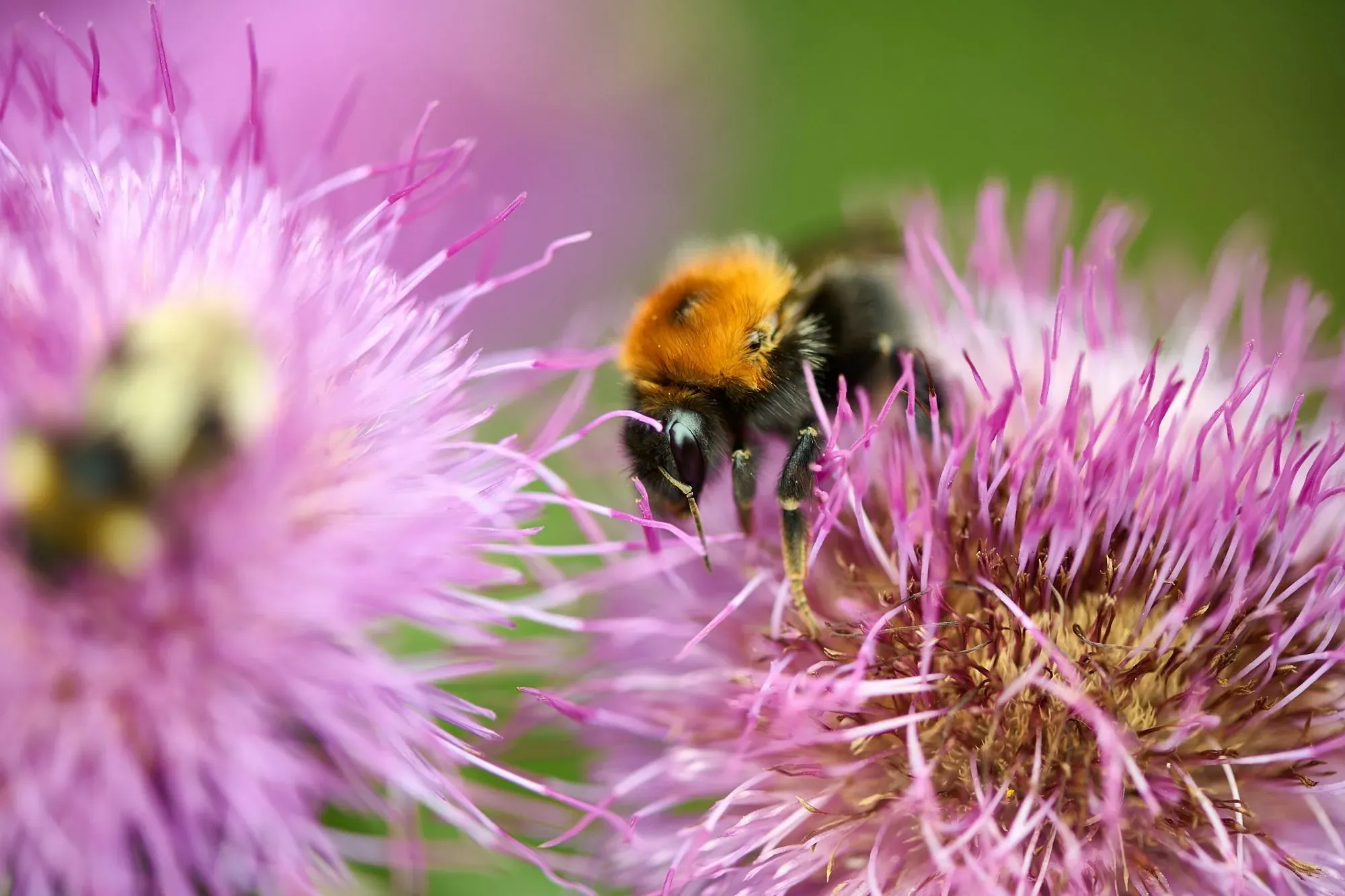
The intimacy of 1:1
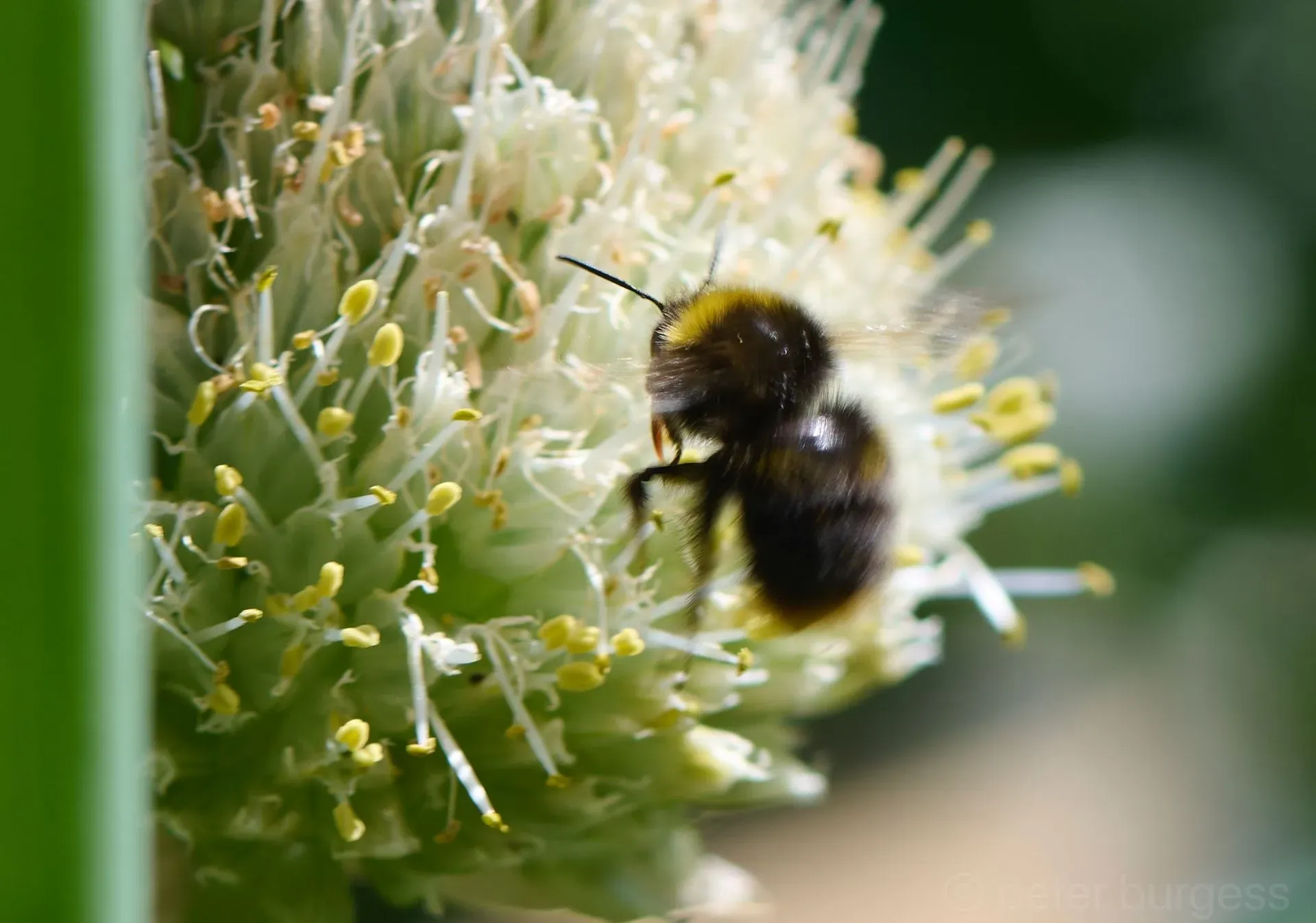
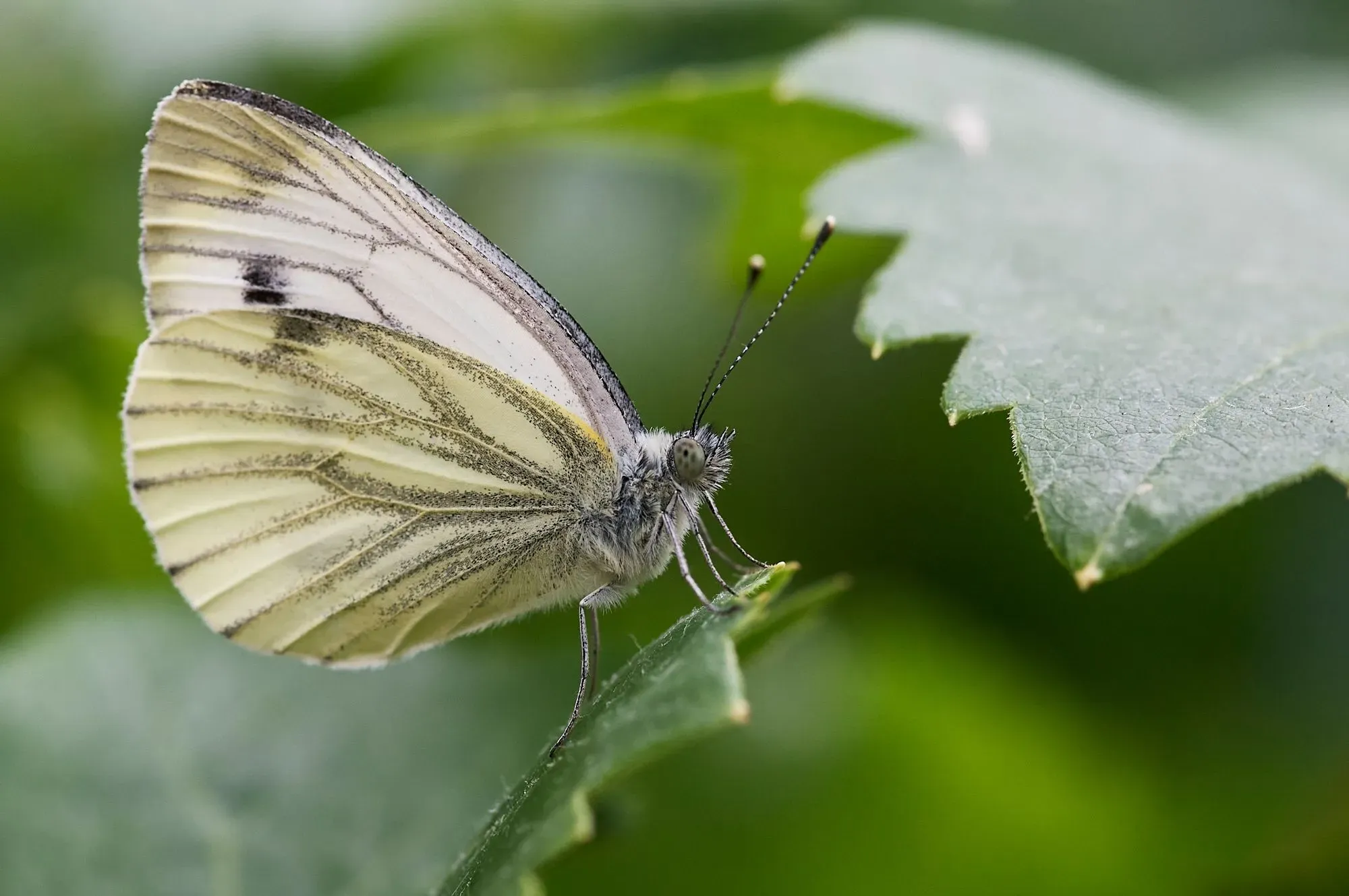
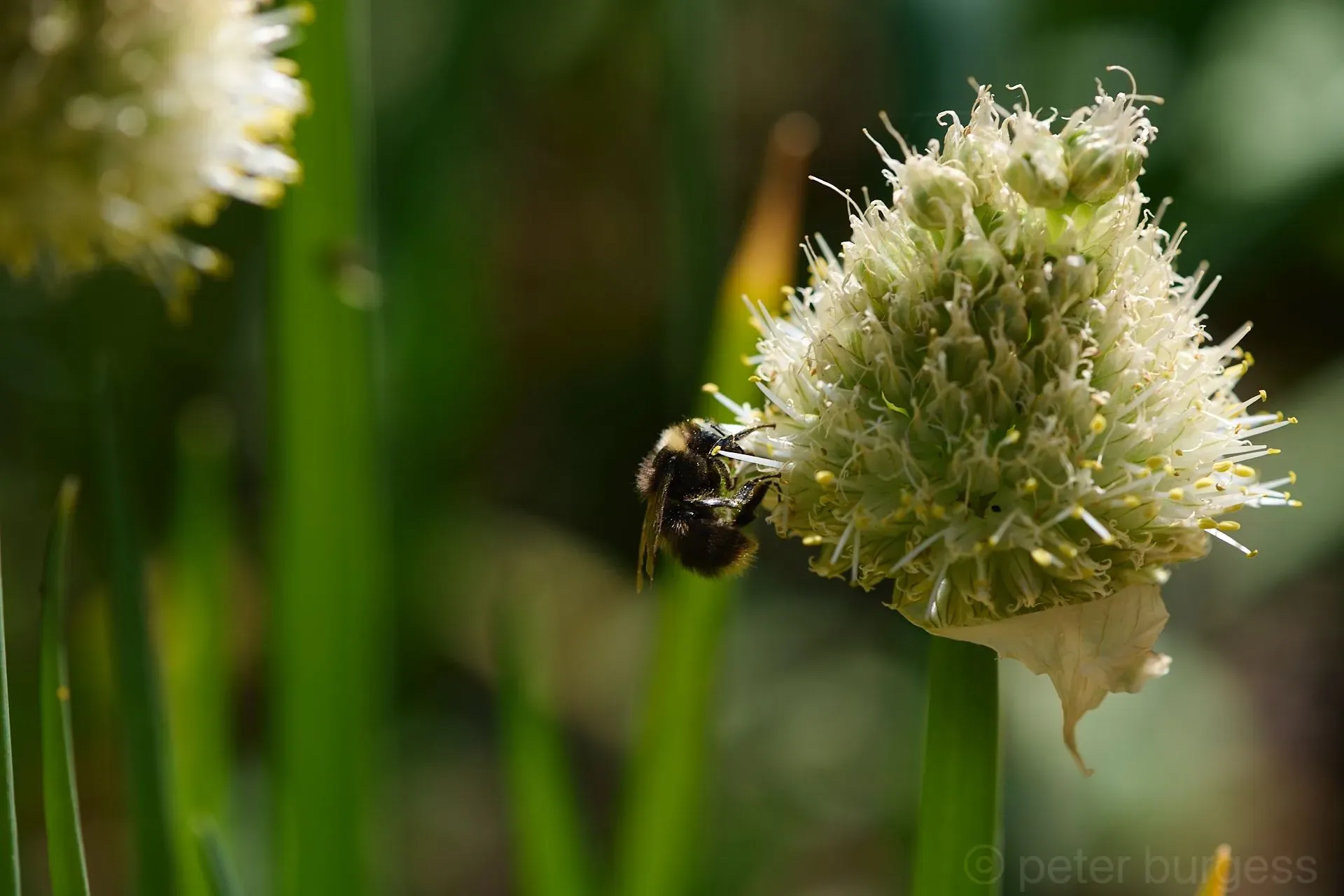
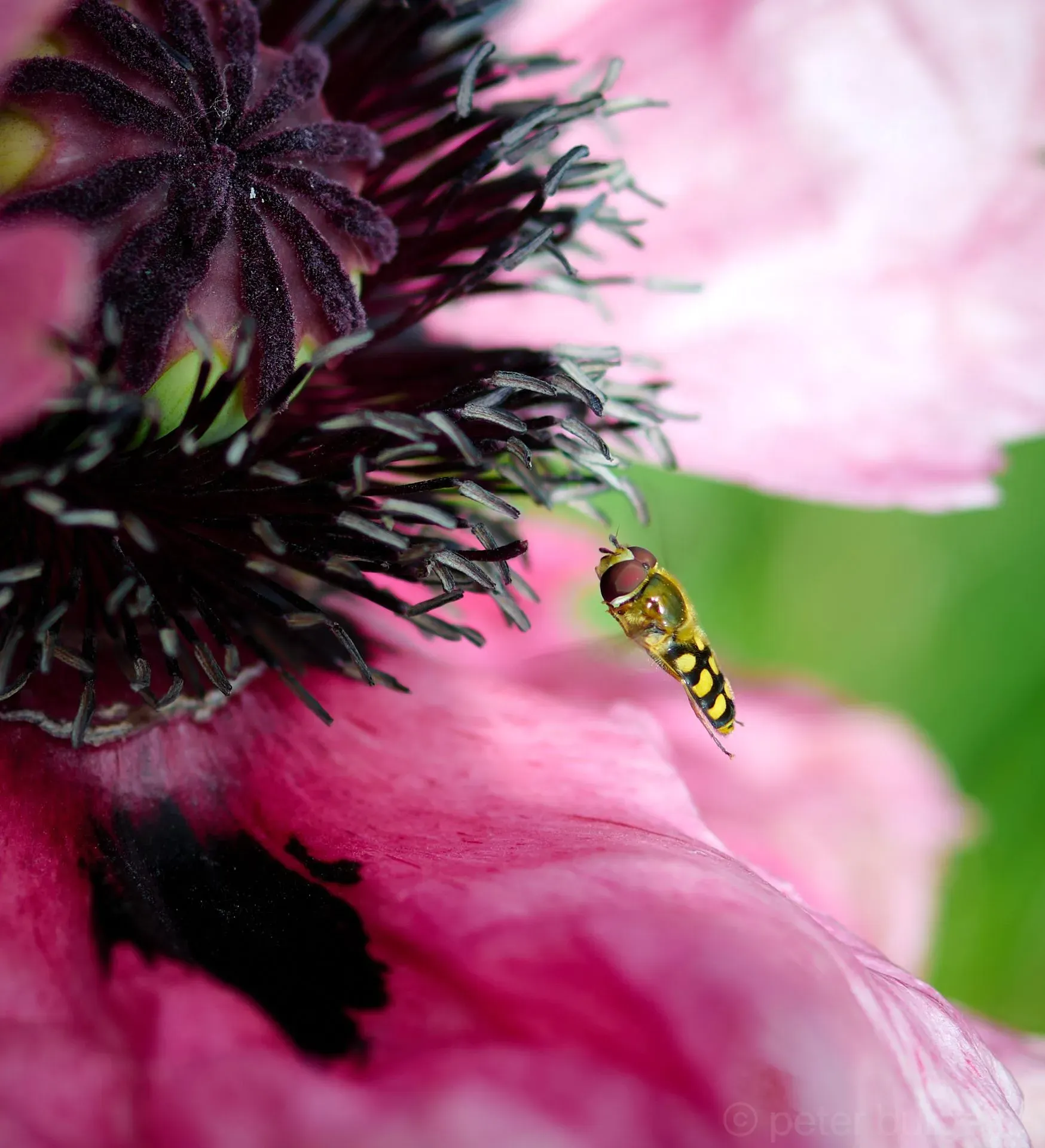
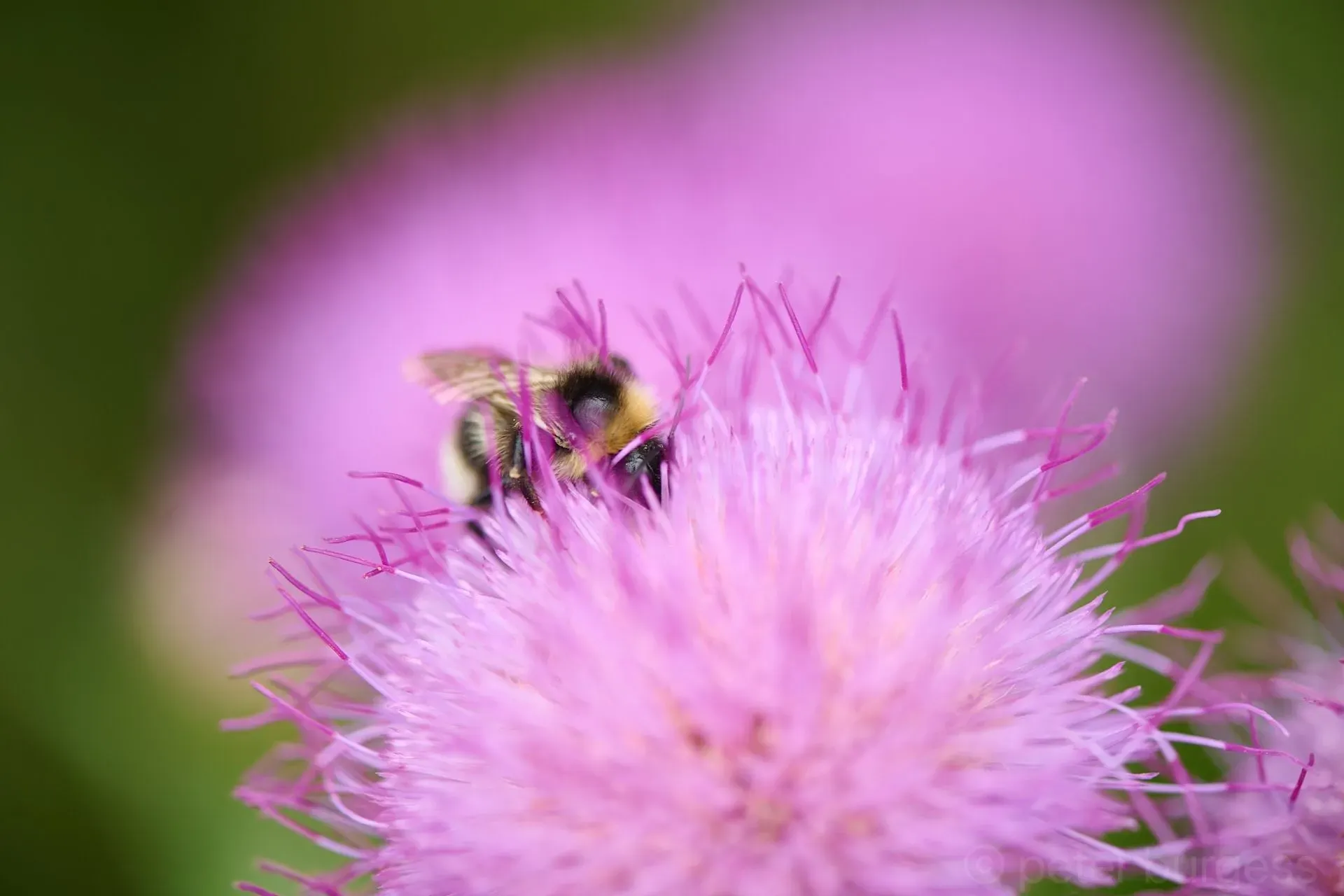
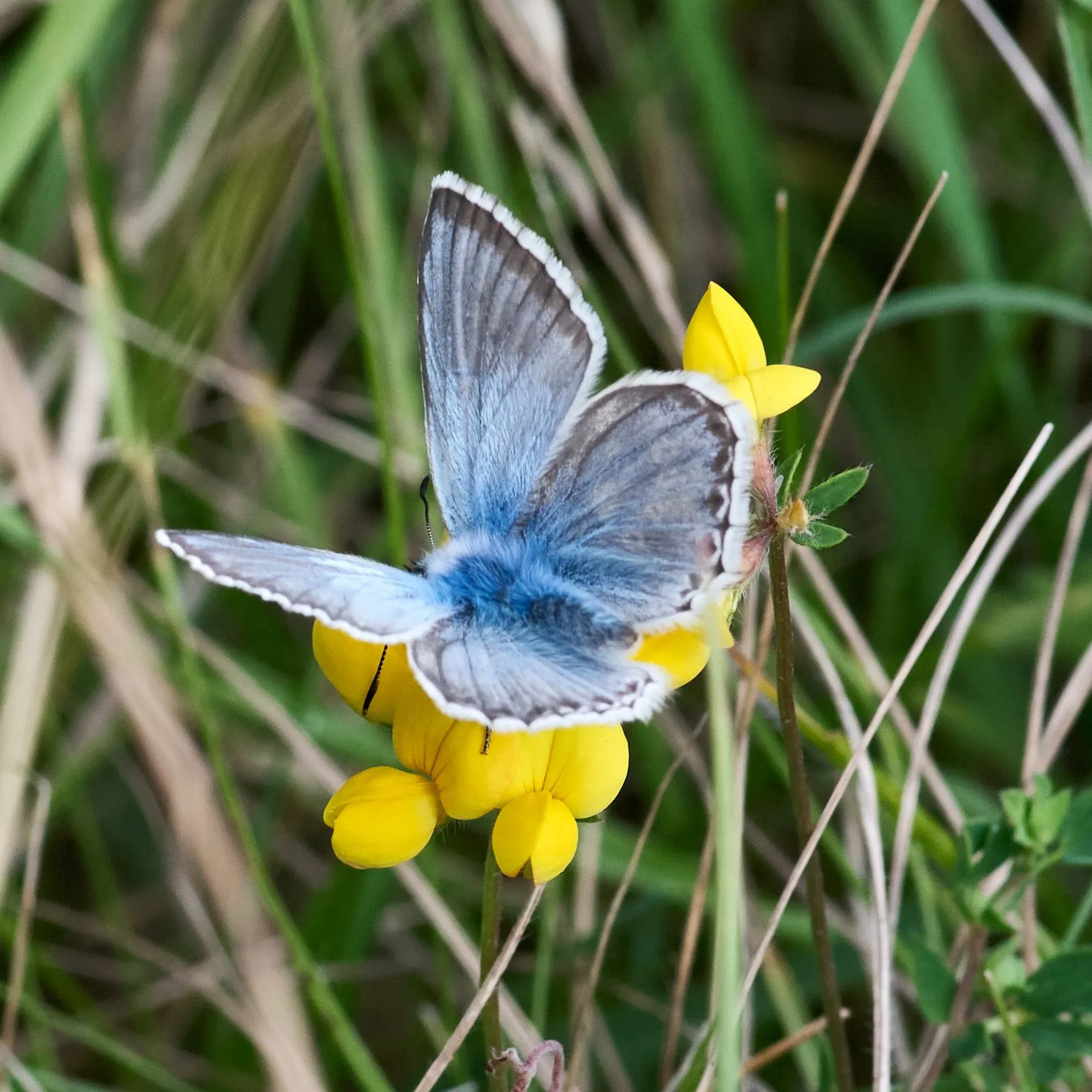
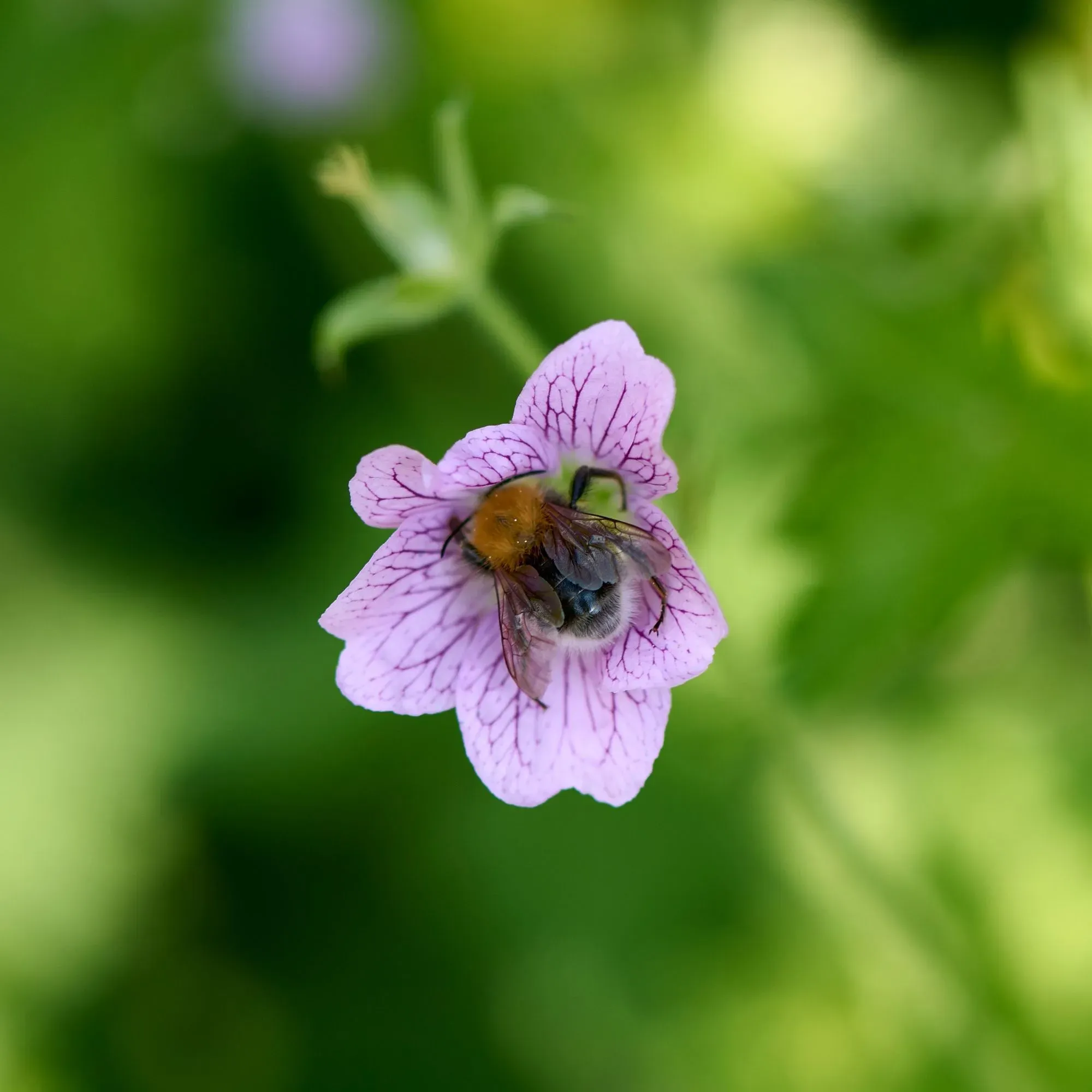
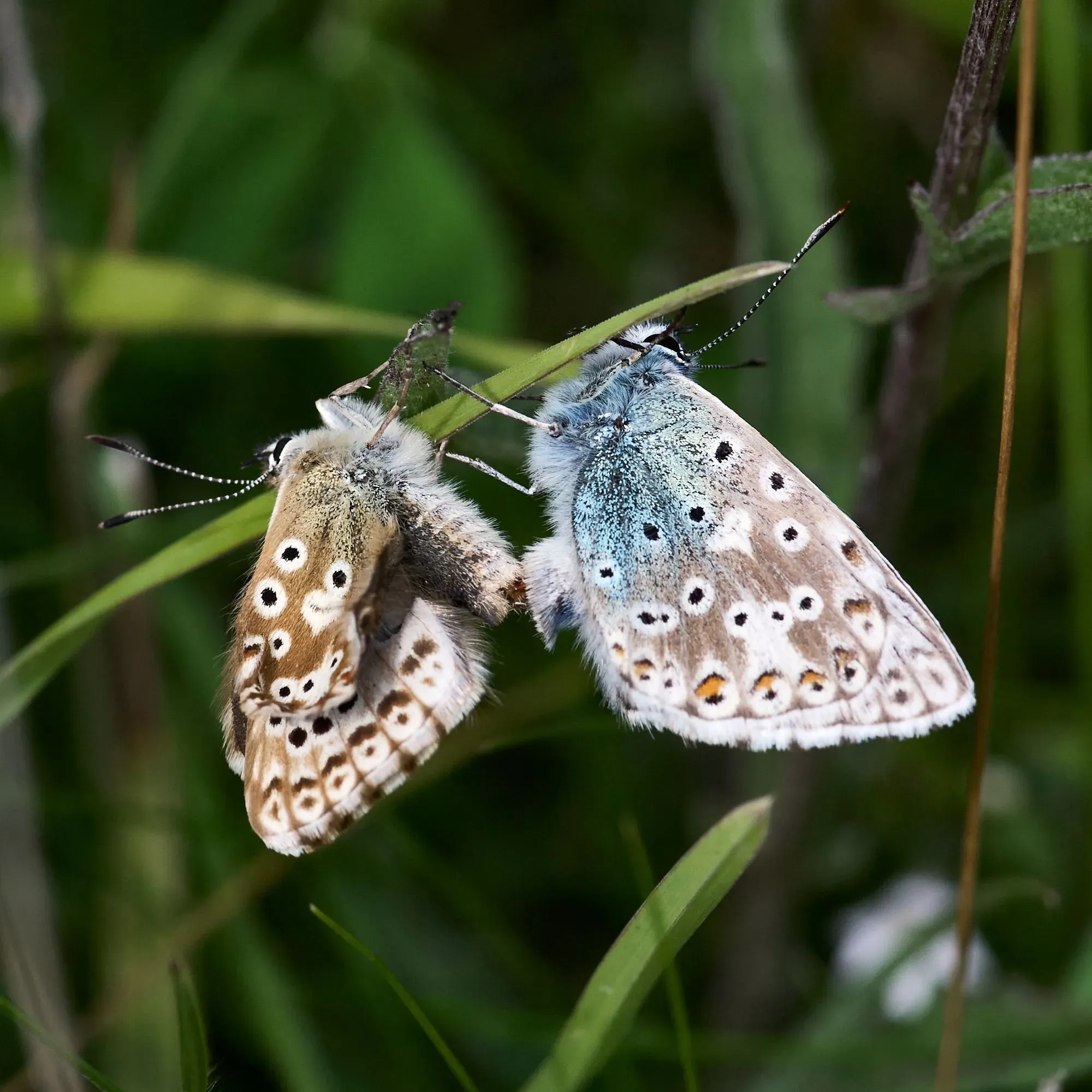
Being so close to an insect that you can count the hairs on its back is an enormous thrill. To photograph the insect successfully so that at least its head is in focus is a study in patience. The reward is a vision of life beyond the human frame.
There are thousands of pollinating insect species, from the most well-known honeybees to bumblebees, solitary bees, flies, hoverflies, butterflies, moths, beetles and wasps. Beetles are in fact the oldest group of pollinators.
Tragically all are under pressure from several converging threats. Habitat loss, pesticides, climate change, disease and parasites. The critical point is that these pressures don't operate in isolation — they interact and compound each other. A pesticide-weakened bee is far more vulnerable to disease. A habitat-stressed butterfly has less resilience against a late frost. It is the combination that makes the decline so rapid and so difficult to reverse.
To find out more about pollinators, the huge contribution they make to human food security, and how to help them, visit the Natural History Museum website.